Solar panel prices by system size
These are typical fully installed prices in Australia. The "after rebate" column is what you pay out of pocket. The federal government's STC rebate gets applied at point of sale by your installer, so there's no paperwork or waiting for reimbursement.
| System |
Before rebate |
STC rebate |
You pay |
|
| 6.6kW |
$7,500 to $10,500 |
~$3,000 |
$4,500 to $7,500 |
View → |
| 10kW |
$10,000 to $14,500 |
~$3,500 |
$7,000 to $11,000 |
View → |
| 13kW |
$13,000 to $18,000 |
~$4,000 |
$9,000 to $14,000 |
View → |
| 20kW |
$18,000 to $25,000 |
~$5,500 |
$12,500 to $19,500 |
View → |
Prices include panels, inverter, mounting, all wiring and a full installation by CEC accredited electricians. GST included. The range depends on which panels and inverter you choose, your roof type and where you live. More on that below.
Commercial system pricing
Commercial solar works differently. Systems are larger, installation is more complex, and the STC rebate scales up. Rough ballpark for installed commercial systems:
| System |
Typical installed cost |
|
| 30kW |
$25,000 to $35,000 |
View → |
| 50kW |
$40,000 to $55,000 |
View → |
| 100kW |
$75,000 to $110,000 |
View → |
Commercial prices vary more than residential because every building is different. Roof structure, electrical infrastructure, crane access, three-phase wiring and council approvals all factor in. See our commercial solar page for more detail.
What affects solar installation cost
Two quotes for the "same" system can look completely different. These are the main reasons why.
Panel brand and type
A budget Tier 1 panel and a premium N-type panel can differ by $800 to $2,000 across a full system. Both work. The premium panel produces slightly more power per square metre, handles heat better and usually carries a longer warranty. If your roof has plenty of space, the cheaper panel often makes more financial sense. If your roof is small or shaded, fewer high-output panels can be worth the extra cost. Compare panel types.
Inverter choice
The inverter converts your panel output into usable electricity. A string inverter (one box on the wall) is the most affordable option and works well on roofs with consistent sun exposure. Micro-inverters sit behind each panel individually and cost more, but they perform better on roofs with partial shade. Expect to add $1,500 to $3,000 for a micro-inverter upgrade on a typical residential system.
Roof type and access
Tin roofs are the cheapest to install on. Tile roofs cost slightly more because the installer needs to remove and refit tiles. Flat roofs need tilt frames to angle the panels toward the sun, which adds cost. A steep, two-storey roof that needs scaffolding will cost more again. If your roof needs repair work before panels can go on, that's an additional line item.
Switchboard and wiring
Older homes sometimes need a switchboard upgrade before solar can be connected safely. This can add $500 to $1,500. If your home still has an older meter, your distributor will replace it (usually at no cost to you, but it can delay the connection). We check all of this during the assessment and include it in your quote upfront, so there are no surprises on installation day.
Location
Installation costs vary between states and between metro and regional areas. Labour rates, travel distance and local council requirements all play a part. A system in suburban Brisbane will generally cost less than the same system in rural Tasmania. The STC rebate amount also varies slightly by postcode because it's based on how much sunshine your area receives.
System size
Bigger systems cost more in total but less per kilowatt. A 6.6kW system might cost $1,000 per kW after rebate, while a 13kW system might come in at $800 per kW. Most of the fixed costs (site visit, paperwork, scaffolding, electrician time) are the same whether you install 15 panels or 30. That's why we often suggest going larger if your roof allows it. The extra panels are the cheapest part of the job.
Solar rebates and how they reduce the price
The single biggest factor in making solar affordable is the federal government rebate. It knocks thousands off the price before you pay a cent.
Federal STC rebate (the big one)
The Small-scale Technology Certificate (STC) scheme is available to every Australian household and business installing a system under 100kW. The rebate amount depends on your system size and location. For a 6.6kW system, it's roughly $2,800 to $3,200. For a 10kW system, around $3,500. For 13kW, about $4,000.
You don't claim it yourself. We assign the STCs and deduct the value from your invoice, so the price we quote is the price you pay. The rebate reduces by roughly one-fifteenth each year until it phases out completely in 2031. Installing sooner means a bigger discount.
Cheaper Home Batteries Program
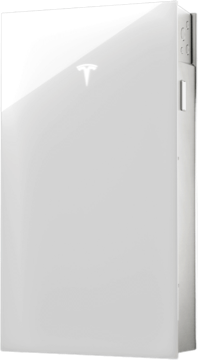
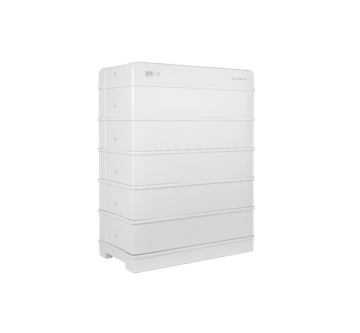
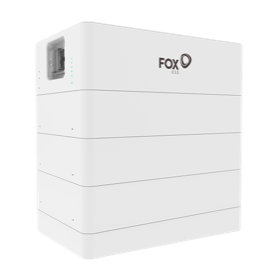
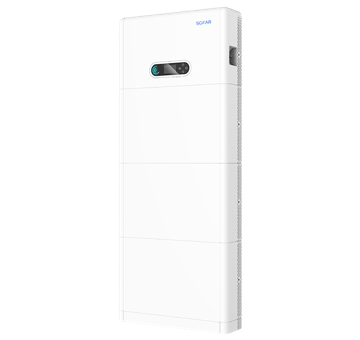
The federal government offers up to $6,000 off a home battery with no income test. You don't need to already have solar to claim it. If you're installing solar and a battery at the same time, both rebates apply. Some states stack additional incentives on top. See battery options and pricing.
Feed-in tariffs
Not a rebate, but it reduces your ongoing cost. When your panels produce more than you're using, the excess goes back to the grid and your electricity retailer pays you a credit. Rates vary between 3c and 12c per kWh depending on your state and plan. It's not a fortune, but it adds up. If you'd rather keep that power for the evening instead of exporting it for a few cents, a battery stores it for you to use at full value (25c to 35c per kWh).
Cheap solar vs quality solar
You'll find solar advertised online for $2,999 installed. You'll also find it quoted at $8,000 for the same system size. The difference is real, and it matters.
What you get with a cheap install
The $2,999 system typically uses panels from manufacturers with little track record in Australia. The inverter is often from a brand that's hard to contact if something fails. Installation might be subcontracted to whoever's available that week, not a dedicated CEC accredited team. Warranties exist on paper but can be difficult to claim if the installer or manufacturer leaves the Australian market, which happens more often than people expect.
What you get with a quality install
Tier 1 panels from manufacturers who've been shipping to Australia for years. Proven inverters from brands like Fronius, Enphase or SunGrow with local support and parts. Installation by an accredited team that works for the same company, not a subcontractor. Proper mounting, correct cable management, and a system that performs at or above its rated output. If something goes wrong in year 8, the company is still around and the warranty is backed.
The maths over 25 years
A quality 6.6kW system at $5,500 that produces 26kWh a day for 25 years generates roughly $40,000 to $55,000 in electricity savings over its life. A cheap system at $3,500 that degrades faster, produces 10-15% less from day one, and needs an inverter replacement at year 6 ends up costing more and producing less. The upfront saving of $2,000 can cost $10,000+ in lost output and repairs over the system's life.
We sit in the competitive middle. Not the cheapest, not the most expensive. Tier 1 panels, proven inverters, our own installation teams, and a company that's been operating since 2009. If you want the best value over the long run rather than the lowest sticker price, that's what we do.
Payback period and long-term savings
Solar is an investment that pays for itself, then keeps paying. The question is how quickly.
| System |
Typical annual savings |
Estimated payback |
| 6.6kW |
$1,200 to $1,800/yr |
3 to 5 years |
| 10kW |
$1,800 to $2,800/yr |
3 to 5 years |
| 13kW |
$2,200 to $3,400/yr |
3 to 5 years |
| 20kW |
$3,000 to $4,500/yr |
4 to 6 years |
These estimates assume you use 50-60% of your solar directly (the national average for households). If you work from home, run the pool pump during the day, or time your dishwasher and washing machine to run when the sun's out, your self-consumption goes up and so do your savings.
After the payback period, the electricity your panels generate is free. A 6.6kW system that pays itself off in 4 years gives you another 21+ years of free power. At current electricity prices, that's $30,000 to $45,000 in total savings over the system's lifetime. And electricity prices have gone up every year for the past decade, so the real figure will almost certainly be higher.
Adding a battery changes the maths
Without a battery, you export excess daytime solar for 5-10c per kWh. With a battery, you store that excess and use it at night when electricity costs 25-35c per kWh. The difference is significant. A household that exports 8kWh a day and shifts that to self-consumption saves an extra $600 to $900 per year. Compare battery options and pricing.
Solar cost FAQs
How much does a 6.6kW solar system cost in Australia?
A 6.6kW system typically costs $4,500 to $7,500 fully installed after the federal STC rebate. The range depends on panel brand, inverter type, roof access and your location. This size suits most family homes and offsets roughly $1,200 to $1,800 per year off your electricity bill.
Is a $3,000 solar system worth it?
At that price, something is being cut. Usually it's panel quality, inverter brand, installation standards or all three. The system might work fine for the first few years, but you'll likely see faster output degradation, earlier inverter failure, and more difficulty claiming warranty. Spending $1,500 to $2,000 more on a quality install saves money over the system's 25-year life.
What government rebates are available for solar?
The main one is the federal STC rebate, which reduces the upfront cost of any solar system under 100kW. For a 6.6kW system, that's roughly $2,800 to $3,200 off. There's also up to $6,000 off a home battery through the Cheaper Home Batteries Program. Both are applied at point of sale by your installer.
How long does it take for solar to pay for itself?
Most residential systems pay themselves off in 3 to 5 years. After that, you're generating free electricity for the remaining 20+ years of the system's life. The exact payback depends on how much solar you use directly versus export, your electricity rate, and the system price you paid.
Why do solar quotes vary so much?
Panel brand, inverter brand, installation quality and business overheads. A company using subcontracted installers and budget components has lower costs than one with its own accredited teams and Tier 1 gear. Roof type and switchboard condition also affect the price. Always compare like for like: same panel brand, same inverter, same warranty terms. If a quote doesn't list the exact brands, that's a red flag.
Does adding a battery make financial sense?
It depends on your usage pattern. If you're home during the day using most of your solar directly, the savings from a battery are smaller. If you're out all day exporting solar at 5-10c and buying grid power at 30c+ at night, a battery can save you $600 to $900 extra per year. The federal battery rebate of up to $6,000 makes the maths work for most households now. Compare battery options.
Are there hidden costs with solar installation?
There shouldn't be. A good installer includes everything in the quote: panels, inverter, mounting, wiring, installation and all rebates applied. Potential extras that should be disclosed upfront are switchboard upgrades ($500 to $1,500 if your board is old), roof repairs (if needed before panels go on), and tilt frames for flat roofs. We include all of these in our quotes where applicable, so the price you see is the price you pay.