Our solar installation process
From first enquiry to generating power, the whole process takes a few weeks. No site visits needed for the quote. Five steps.
1
Send us your bill and a few photos
We don't need to visit your property to quote. Send through your latest electricity bill and some photos or a short video of your roof, meter box and switchboard. That's all we need to assess your property and start designing a system. You can email them, upload them through our quote form, or send them to your consultant directly.
2
We design your system and call you through it
Our sales team reviews your bill, photos and satellite imagery of your roof. They design a system sized to your actual electricity usage and roof layout, then call you to walk through the options. System size, panel and inverter choices, expected output, savings estimate, and a clear price with nothing hidden. You ask questions, we give straight answers.
3
Sign off and we book your install
Once you're happy with the system and price, you sign the contract and pay a deposit. We schedule your installation, usually within 2 to 4 weeks. We handle all the paperwork: grid connection application, STC rebate assignment, and any permits your council requires.
4
Installation day
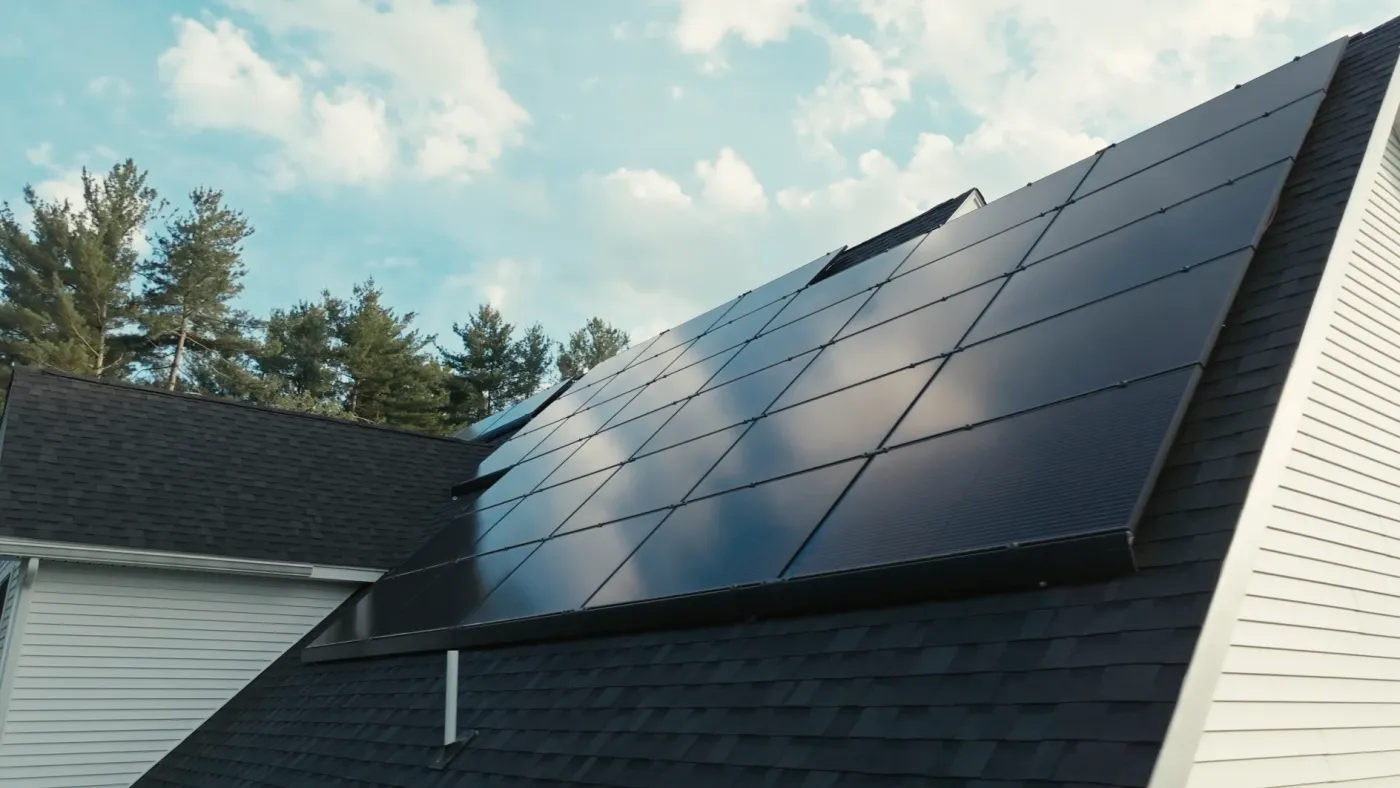
Our CEC accredited electricians arrive, install the mounting rails, lay the panels, wire everything to your inverter and switchboard, and run safety testing. Most residential systems go up in a single day. We leave your property clean and tidy. For commercial or complex installs (multi-storey, flat roofs, large arrays), it might stretch to two or three days.
5
Grid connection and you're generating
After installation, your meter gets updated to record what you export. We handle the paperwork with your network distributor so you don't have to chase it. Once the meter's live, we set up your monitoring app and you start saving. The grid connection can take anywhere from same-day to a couple of weeks depending on your distributor.
CEC accredited solar installers
Every solar installation in Australia must be done by a Clean Energy Council accredited installer. It's a legal requirement, and it's also the only way to claim the government rebate.
What CEC accreditation means
The Clean Energy Council is the industry body that sets the standard for solar installation in Australia. An accredited installer has completed specific training in solar design and installation, holds a current electrical licence, and follows the CEC's code of conduct. They're required to design systems that comply with Australian Standards and local network rules.
Why it matters to you
Without a CEC accredited installer, you can't claim STCs (the federal rebate that takes thousands off the price). Your warranty coverage may also be affected. Some panel and inverter manufacturers require CEC accredited installation as a condition of their product warranty. If someone who isn't accredited installs your system and something goes wrong, you may have no recourse.
Our installation teams
All of our installers are CEC accredited and work directly for Aus Solar Energy Group. We don't subcontract installation to whoever's available that week. The same company that designs your system installs it and stands behind it. We have teams based in Queensland, New South Wales, Victoria, South Australia, Western Australia and the ACT.
Residential solar installation
Most home solar systems go up in a single day. The installation itself is the quick part. The design, paperwork and grid connection take longer.
What happens on the day
The installation team arrives in the morning (usually between 7 and 8am). They lay out protective sheeting, set up ladders or scaffolding if needed, and get to work. The process: install mounting rails on your roof, attach the panels, run cabling down to your inverter location (usually near the meter box), mount and wire the inverter, connect everything to your switchboard, and run a full safety test. Most of this happens on the roof. You don't need to be home the entire time, but we ask that someone is available at the start and end.
Roof types
Tin or Colorbond roofs are the simplest to install on. The mounting brackets attach directly to the roof sheet without removing anything. Tile roofs take a bit longer because tiles need to be lifted to attach the brackets, then refitted around them. Flat roofs need tilt frames to angle the panels north (or east/west depending on the design), which adds some time and cost. We install on all roof types.
Switchboard and electrical work
Your switchboard needs to meet current safety standards before solar can be connected. If your home has an older switchboard, it may need an upgrade as part of the installation. This is a safety requirement, not an upsell. We check this during the design phase using your photos and include it in your quote if it's needed, so there are no surprises on the day. A switchboard upgrade typically adds $500 to $1,500.
Commercial solar installation
Commercial installs are larger, more complex and take longer than residential. The process is similar, but the scale is different.
Site assessment
Commercial projects usually require a more detailed assessment than residential. Roof structure, load-bearing capacity, electrical infrastructure, three-phase wiring, crane access and council approvals all need to be reviewed. For larger systems (50kW+), an on-site inspection may be needed before we can finalise the design and pricing.
Installation timeline
A 30kW system on a warehouse roof might take 2 to 3 days. A 100kW system across multiple roof sections could take a week or more. We schedule commercial installs to minimise disruption to your business. Weekend and after-hours installation is available if your operations can't be interrupted during the week.
Three-phase and high-capacity systems
Most commercial premises run on three-phase power, which means a three-phase inverter (or multiple inverters). Systems above 30kW may also require network approval from your electricity distributor before installation can proceed. We handle all of this as part of the project, including the application, any required electrical upgrades, and coordination with the distributor.
See our commercial solar page for system sizes and pricing →
How long does solar installation take?
The physical installation is the fast part. The full timeline from enquiry to generating power depends on a few things.
| Stage |
Typical timeframe |
| Quote and system design |
1 to 3 days |
| Contract to installation |
2 to 4 weeks |
| Installation (residential) |
1 day (most homes) |
| Installation (commercial) |
2 to 7 days |
| Grid connection / meter update |
Same day to 2 weeks |
The grid connection step is the one we can't fully control. Your network distributor (Energex, Ausgrid, AusNet, SA Power Networks, Western Power, etc.) handles the meter update on their schedule. In some areas it's same-day or next-day. In others, it can take a couple of weeks. Your system is physically installed and ready to go, it's just waiting for the meter to be switched over. We follow up with the distributor so you don't have to.
After installation: support and warranty
Installation day isn't the end of the relationship. Your system comes with warranties, monitoring, and ongoing support.
System monitoring
We set up your monitoring app as part of the install. You can see exactly how much power your panels are producing, how much you're using from the grid, and how much you're exporting in real time. If something goes wrong with your system (a panel underperforming, an inverter error), the monitoring picks it up and we can usually diagnose the issue remotely before sending anyone out.
Warranties
Every system we install comes with multiple layers of warranty. The panels carry a manufacturer's product warranty (typically 12 to 25 years depending on brand) and a performance warranty (25 to 30 years, guaranteeing the panels still produce at least 84% of their rated output). The inverter has its own warranty (5 to 15 years depending on brand, with paid extensions available). And we provide a workmanship warranty on the installation itself. Full warranty details.
Ongoing maintenance
Solar systems need very little maintenance. Rain keeps the panels clean in most parts of Australia. If you're in a dusty area or near trees that drop sap, an occasional hose down helps. We recommend an annual check by a licensed electrician to make sure connections are tight and everything's performing as expected. If your monitoring shows a sudden drop in output, contact us and we'll investigate. Learn about our service and support.
Solar installation FAQs
Do you need to visit my home before quoting?
No. We design and quote remotely. Send us your electricity bill and some photos of your roof, meter box and switchboard. Combined with satellite imagery, that's enough to assess your property and design the right system. It keeps the process fast and means you can get a quote within a couple of days.
How long does installation take?
Most residential systems are installed in a single day. The team typically arrives between 7 and 8am and finishes by mid-afternoon. Larger or more complex systems (multi-storey homes, flat roofs, commercial properties) may take two or more days. From signing the contract, installation is usually booked within 2 to 4 weeks.
Do I need to be home during installation?
We ask that someone is available at the start (to confirm access and any site details) and at the end (for a walkthrough of the completed system). You don't need to be there the entire time. The installation team works independently on the roof and around the meter box area.
Will the installation damage my roof?
No. The mounting system is designed to attach securely without compromising your roof's waterproofing. On tin roofs, brackets are screwed through the sheeting with rubber seals underneath. On tile roofs, tiles are lifted and brackets attach to the rafters, then tiles are refitted around them. Properly installed solar panels can actually protect the section of roof underneath from weather and UV degradation.
What if my switchboard needs upgrading?
If your switchboard doesn't meet current safety standards, it will need to be upgraded before solar can be connected. This is a safety requirement set by Australian Standards, not something we add on unnecessarily. We identify this during the design phase using your photos and include the cost in your quote upfront. A switchboard upgrade typically costs $500 to $1,500 depending on what's needed.
How soon after installation can I use solar power?
Your system is physically ready to generate power as soon as installation is complete. However, you need to wait for your network distributor to update your electricity meter before you can export excess power and receive feed-in credits. This can take anywhere from same-day to a couple of weeks. We follow up with the distributor on your behalf so you don't have to chase it.
Do you install batteries at the same time as solar?
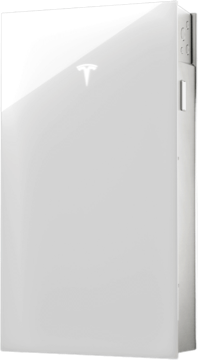
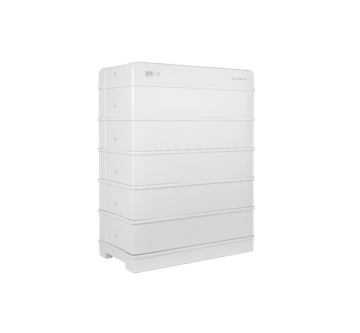
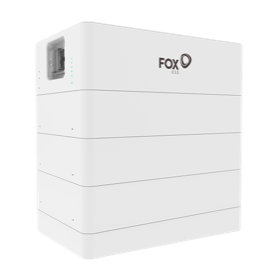
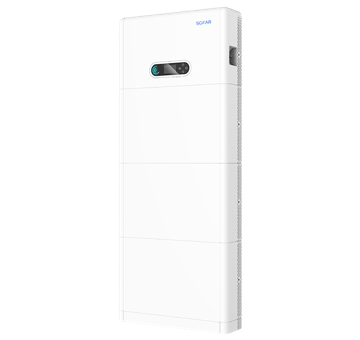
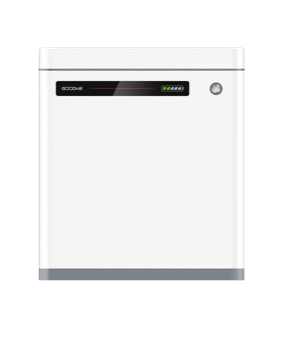
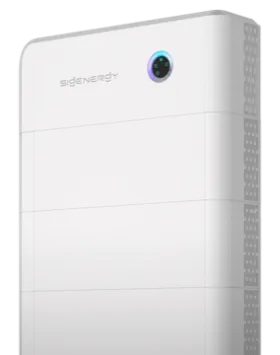
Yes. If you're installing solar and a battery together, both go in on the same day (or days for larger systems). It's cheaper and simpler to do it all at once because the wiring and inverter setup only needs to happen once. If you'd rather add a battery later, we install a hybrid inverter as standard on most systems so the upgrade is simple when you're ready. Compare battery options.