How solar panels work
Solar panels turn sunlight into electricity. That's it in one sentence. The full version has three parts.
1
Sunlight hits the panels
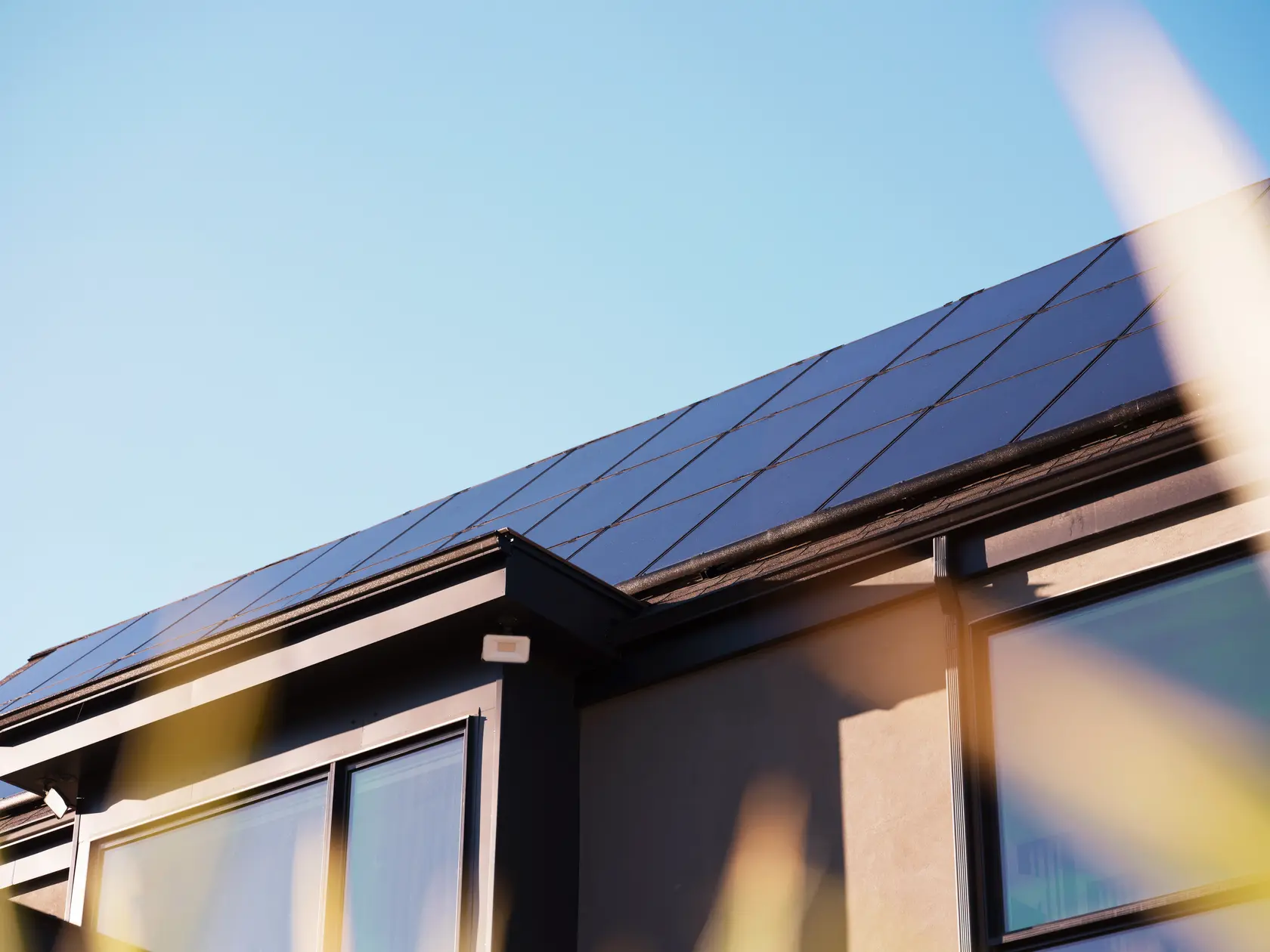
Each panel is covered in small cells that absorb sunlight and turn it into electricity. They don't need blazing sunshine either. Panels still produce power on overcast days, just less of it. On a good day, a single panel generates enough electricity to run your washing machine for a few hours.
2
Your inverter converts it to usable power
Solar panels produce a type of electricity your home can't use directly. A box called an inverter (usually mounted on a wall near your meter box) converts it into the right type. Think of the inverter as the engine of your system. A good one gets more usable energy out of your panels than a cheap one, and lasts longer too. We cover inverter brands in the brands section below.
3
You use it, or export the rest
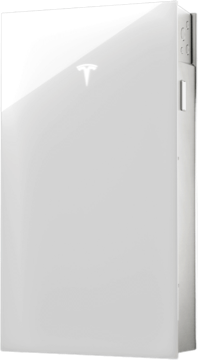
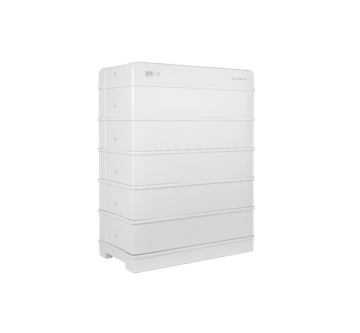
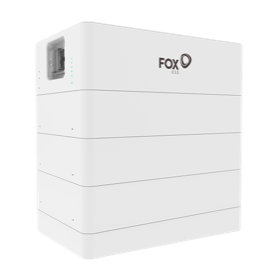
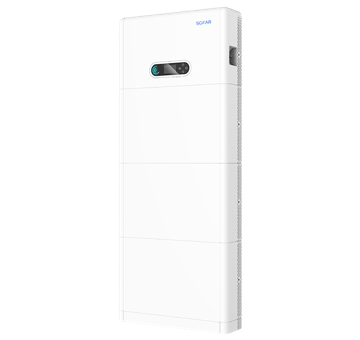
Your home uses the solar power first, before drawing from the grid. If your panels are producing more than you need (which happens a lot during the middle of the day), the excess flows back to the grid and you get a credit on your electricity bill called a feed-in tariff. If you'd rather keep that power for the evening, a home battery stores it instead of exporting it.
Types of solar panels
Three types dominate the Australian market right now. The jargon can be confusing, so this is how they compare in plain English.
- Output: Good
- Best for: Most homes
- Look: Dark black, uniform
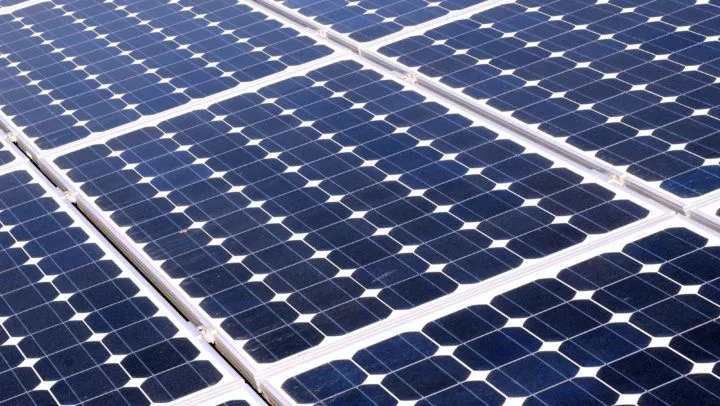
The standard panel type you'll find on most Australian roofs. You might have seen older panels that look blue and patchy. Those are the previous generation (polycrystalline). If an installer quotes you those in 2026, that's a red flag. Mono panels convert more sunlight into power and last longer.
- Output: Better
- Best for: Best balance of cost and output
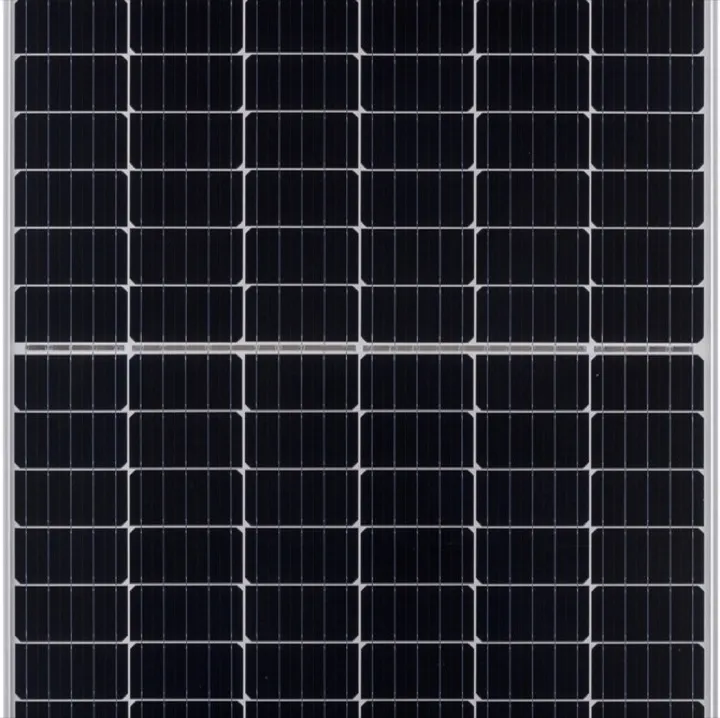
- Look: Visible horizontal line
Same technology as monocrystalline, but each cell is cut in half. The benefit? Better shade handling. If a tree branch shades the bottom of the panel, the top half keeps working instead of dragging the whole panel down. This is what most good installers now use as their standard panel.
- Output: Best available
- Best for: Small or tricky roofs
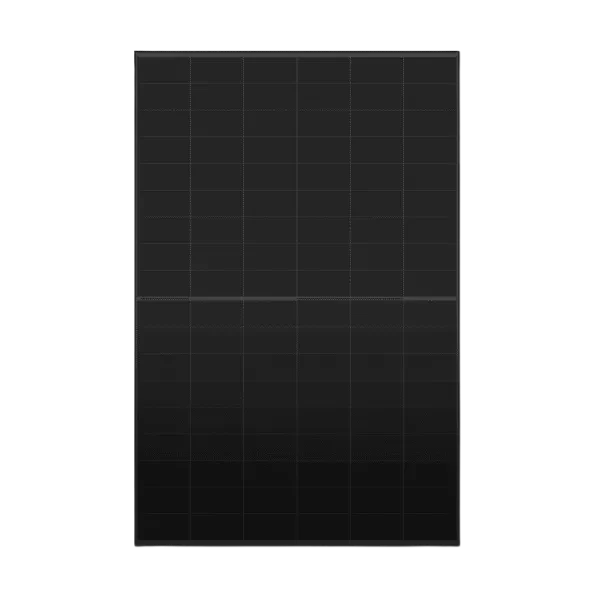
- Look: Sleek, all-black finish
The newest generation of panel. Each panel produces more power from the same amount of roof space, and they hold up better in heat and low light. They cost more per panel, but if your roof is small or has awkward angles, fewer of these can produce the same total output as more standard ones. You'll also see these called "TOPCon" panels on quotes.
Solar panel brands we install
We only install Tier 1 panels. "Tier 1" is an independent ranking that means the manufacturer is financially stable and produces panels that banks are willing to back for large projects. It's the industry's way of separating proven manufacturers from fly-by-night brands. Every panel we install is also on the Clean Energy Council's approved list, which is the Australian government's quality standard.
JinkoSolar
The world's largest panel manufacturer by volume. When a company ships that many panels globally, quality issues don't stay hidden for long. Jinko's Tiger Neo range is well-priced, well-tested and used extensively across Australia. A workhorse panel that does what it says on the box.
LONGi
LONGi pioneered a cell technology that most of the solar industry now builds on. Their panels handle Australian heat particularly well. All panels lose some output on very hot days, but LONGi loses less than most. 25-year product warranty and a 30-year performance warranty, which means they guarantee the panels will still be producing at a certain level three decades from now.
TongWei
One of the world's largest producers of solar cells. TongWei manufactures the cells that go inside many other brands' panels, so they know the technology inside out. Their own branded panels are competitively priced with solid performance and long warranties. A name you'll see more and more in Australia.
Risen Energy
A Tier 1 manufacturer that's been growing fast in Australia. Risen panels offer strong output at a competitive price point, and they've built a solid track record on large commercial projects across the country. Their residential range uses the same technology, sized down for home roofs.
Choosing a system size
System size comes down to two things: how much electricity you use and how much roof you have. Solar systems are measured in kilowatts (kW), which tells you how much power they can produce. The table below shows how much electricity each size generates per day, measured in kilowatt-hours (kWh). Your electricity bill shows your daily usage in kWh, so you can compare directly.
| System |
Daily output |
Good for |
|
| 5kW |
~20kWh |
Couple or small household with low bills |
|
| 6.6kW |
~26kWh |
Average family home (our most popular size) |
View → |
| 10.3kW |
~41kWh |
Bigger home, pool, ducted AC or EV charging |
View → |
| 13.2kW |
~53kWh |
High usage home (largest system on standard wiring) |
View → |
| 20kW |
~80kWh |
Large home with three-phase power and big roof |
View → |
| 30kW |
~120kWh |
Small warehouse, retail, offices |
View → |
| 50kW |
~200kWh |
Mid-size commercial, manufacturing |
View → |
| 100kW+ |
~400kWh+ |
Large commercial and industrial |
View → |
Grab your last electricity bill and find your daily average usage (it's usually on the first page, in kWh). If it says 20kWh a day and you want to offset most of it, a 6.6kW system gets you there. Planning to add a battery or an electric car charger later? Go bigger now. It's cheaper to install more panels upfront than to add them later.
What affects solar panel performance
Two identical systems on two different roofs can produce very different results. These five things determine how much power you get.
Roof orientation and tilt
North-facing panels produce the most energy in Australia, but that doesn't mean east or west-facing roofs are a write-off. East-facing panels produce more in the morning. West produces more in the afternoon. If you're home after work running the AC and cooking dinner, west-facing panels might actually suit your lifestyle better than north. It depends on when you use the most power.
Shading
This is the one people underestimate. Solar panels are wired together in groups, and shade on even one panel can drag down the output of the whole group. A tree branch, a chimney, an antenna, the neighbour's two-storey extension. We check shading at multiple times of day and across seasons, because the shadow from a tree in winter looks completely different to summer. Where shade is unavoidable, there are add-on devices that isolate each panel so one shaded panel doesn't affect the rest.
Temperature
This surprises people: solar panels perform worse in extreme heat. They love sunlight, not heat. On a 40 degree day, a panel can lose around 5 to 10% of its output compared to a mild sunny day. Proper mounting with a gap underneath for airflow makes a real difference. Cheap installs where panels sit flat on the roof with no ventilation lose more power on hot days.
Inverter quality
You can put the best panels in the world on your roof, but if the inverter can't keep up, you're leaving energy on the table. A good inverter from a proven brand (we use Fronius, Enphase and SunGrow) converts more of your panel output into usable electricity, gives you an app to monitor your system in real time, and lasts the distance. The inverter is usually the first component to need replacing in a solar system, which is why we don't cheap out on it.
Panel degradation
All panels lose a tiny amount of output each year. It's completely normal and it's slow. After 25 years, a good panel will still be producing around 84% of what it did on day one. So a system you install today will still be generating most of its original power in 2051. That's a long time to be saving on electricity bills.
How much do solar panels cost?
These are typical fully installed prices in Australia after the federal government rebate has been applied. The rebate gets taken off at point of sale (your installer handles the paperwork), so these are what you pay out of pocket.
6.6kW
$4,500 to $7,500
After govt rebate
10kW
$7,000 to $11,000
After govt rebate
13kW
$9,000 to $14,000
After govt rebate
Why the range? It comes down to which panels and inverter you choose, your roof type (tile vs tin vs flat), whether your electrical panel needs upgrading, and where you live. A simple tin roof install in Brisbane costs less than a steep tile roof in Hobart where the wiring needs work before solar can go on.
Most households see a payback period of 3 to 5 years. After that, the electricity your panels generate is free for the remaining 20+ years of the system's life.
Full pricing and savings breakdown →
Solar rebates and government incentives
The government wants people to install solar. That means there's money on the table if you know where to look.
Federal STC rebate (solar panels)
The Small-scale Technology Certificate scheme is the big one. It reduces the upfront cost of any solar system under 100kW, and it's available to everyone. Your installer claims the STCs on your behalf and applies the discount at point of sale, so you don't need to do any paperwork. How much? A 6.6kW system typically gets $2,800 to $3,500 off. A 10kW system gets more. The rebate amount decreases each year until 2030, so the sooner you install, the more you save.
Federal battery rebate
The Cheaper Home Batteries Program offers up to $6,000 off a home battery with no income test. You don't need to already have solar to claim it. Some states stack additional incentives on top. NSW has its own battery rebate with separate eligibility criteria. We handle all the rebate paperwork as part of the install.
Feed-in tariffs
When your panels produce more than you're using, the excess goes back to the grid and your electricity company pays you a small credit. The rate varies by state and provider, typically between 3c and 12c per unit of electricity. It's not as generous as it used to be, which is exactly why batteries have become so popular. Storing that excess power and using it at night saves you 25 to 35c per unit (whatever you'd normally pay for grid power) instead of exporting it for 5c.
How solar panel installation works
The whole process takes a few weeks from phone call to generating power. Five steps.
1
Send us your bill and a few photos
No site visit needed. Send through your latest electricity bill and some photos or a short video of your roof, meter box and switchboard. Our team uses these along with satellite imagery to assess your property and work out the right system size and layout.
2
We design your system and talk you through it
One of our solar consultants calls you to walk through the options: system size, panel and inverter choices, expected output, savings estimate, and a clear price with nothing hidden. You ask questions, we give straight answers. No pressure.
3
Sign off and we book your install
Once you're happy with the system and price, you sign the contract and pay a deposit. We schedule your installation, usually within 2 to 4 weeks.
4
Installation day
Most residential systems go up in a single day. Our CEC accredited electricians handle the mounting, wiring, inverter install and safety testing. We leave your property clean and tidy. For larger or more complex systems, it might stretch to two days.
5
Grid connection and you're generating
After installation, your meter gets updated to record what you export. We handle the paperwork with your network distributor so you don't have to chase it. Once the meter's live, we set up your monitoring app and you start saving.
More about our installation process →
Solar panel FAQs
How long do solar panels last?
25 to 30 years, and they don't just stop working after that. They gradually produce a little less each year. Tier 1 panels guarantee at least 84% of their original output at 25 years. The inverter is usually the first thing that needs replacing, typically after 10 to 15 years for a string inverter or 25+ years for micro-inverters.
How many solar panels do I need?
A typical 6.6kW system uses 15 to 18 panels depending on the wattage of each panel. But the number of panels is less important than the total system size in kilowatts. We size every system based on your actual electricity usage, not a generic formula. Check your bill for your daily kWh average and use the table above to get in the right ballpark.
Do solar panels work on cloudy days?
Yes, just at a reduced rate. On a heavily overcast day you might get 10 to 25% of full output. On a lightly cloudy day, 50 to 80%. Australia gets enough annual sunshine that even southern cities like Melbourne and Hobart see strong returns over the year. Rain also keeps your panels clean, which helps maintain output over time.
How much can I save with solar?
Most households save between $1,200 and $2,400 per year depending on system size, how much solar you use directly versus export, and your electricity rate. A family with a 6.6kW system that uses most of their solar during the day (working from home, running appliances midday) will save more than someone who's out all day and exports everything at a low feed-in rate. Adding a battery pushes savings higher by letting you use solar power at night. See our full cost and savings breakdown.
What maintenance do solar panels need?
Very little. In most parts of Australia, rain does a decent job of keeping panels clean. If you're in a dusty area, near trees that drop sap, or your panels are on a low-tilt roof where dirt builds up, an occasional hose down helps. We recommend an annual check by a licensed electrician to make sure connections are tight and everything's performing as expected. If your monitoring shows a sudden drop in output, that's worth investigating sooner. Learn about our service and support.
Can I add a battery later?
Yes. Most modern solar systems are either battery-ready or can be retrofitted with one. A hybrid inverter (which we install as standard on most systems) makes adding a battery later a simple job. If you're not ready for the battery investment now but think you'll want one down the track, just let us know. We'll set the system up so the upgrade is simple when you're ready. Compare battery options.
What is the solar rebate and how does it work?
The federal government's STC (Small-scale Technology Certificate) scheme gives you a discount based on how much renewable energy your system will produce over its lifetime. For a 6.6kW system, that's typically $2,800 to $3,500 off the price. You don't claim it yourself. We process the STCs and apply the discount at point of sale, so the price we quote is the price you pay. The rebate reduces each year until it ends in 2030.