Solar battery prices by size
Battery prices depend mainly on how much energy they store, measured in kilowatt-hours (kWh). A bigger battery stores more power for overnight use, but costs more. These are typical installed prices in Australia after the federal battery rebate.
| Battery size |
Installed price (after rebate) |
Good for |
| 5kWh |
$4,000 to $6,500 |
Couple or low-usage home |
| 10kWh |
$6,000 to $11,000 |
Average family (most popular) |
| 13.5kWh |
$8,000 to $14,000 |
Larger family or high evening usage |
| 15kWh+ |
$10,000 to $16,000 |
High usage home or EV charging |
The price range within each size comes down to the brand. A Sungrow battery at the value end costs roughly $550 to $800 per kWh installed. A Tesla Powerwall at the premium end runs $800 to $1,050 per kWh. Both work. The difference is in features, warranty terms and brand recognition.
Most Australian households installing a battery in 2026 choose 10 to 13.5kWh. That's enough to store your excess daytime solar and cover most of your evening and overnight usage.
Battery prices by brand
We install batteries from four manufacturers. Each sits at a different price point with different strengths.
| Battery |
Capacity |
Installed (after rebate) |
Warranty |
| Sungrow SBR |
9.6 to 12.8kWh |
$5,500 to $8,000 |
10 years |
| BYD Battery-Box |
11 to 13.8kWh |
$6,500 to $11,000 |
10 years |
| Fox ESS |
~10kWh |
$6,000 to $9,000 |
10 to 12 years |
| Tesla Powerwall 3 |
13.5kWh |
$11,000 to $14,000 |
10 years |
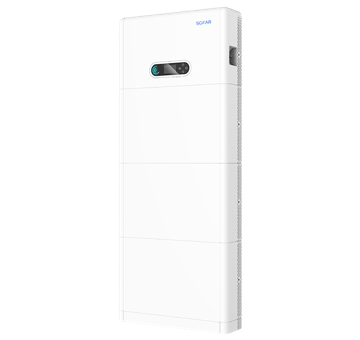
Sungrow SBR
The best value option we install. Sungrow is one of the world's largest inverter manufacturers, and their battery pairs with their own hybrid inverter for a clean, single-brand setup. Solid performance, competitive pricing, and a 10-year warranty. The trade-off is that Sungrow's warranty allows more capacity loss over time (60% retention at end of warranty) than some competitors. For most households, that's still plenty of usable capacity after a decade.
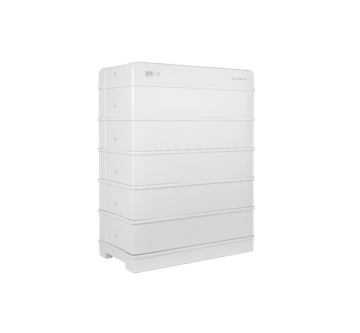
BYD Battery-Box
BYD is the world's largest battery manufacturer (they also make electric vehicles). Their Battery-Box is modular, so you can start with 11kWh and add modules later if your usage grows. Independent testing by the CSIRO and Australian National University showed 70 to 75% capacity retention after extended cycling, which is strong. Works with most hybrid inverters, not just one brand.
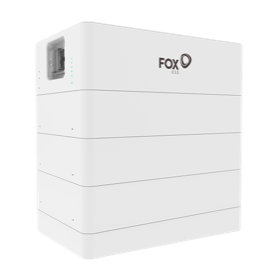
Fox ESS
A mid-range option with a longer warranty than most at 10 to 12 years. Fox ESS has been growing in the Australian market and offers a good balance between price and features. Their battery system integrates with their own hybrid inverter and includes built-in monitoring.
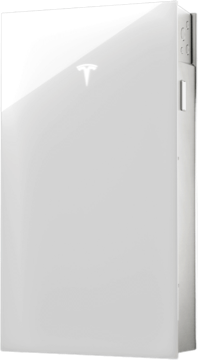
Tesla Powerwall 3
The most recognised name in home batteries. The Powerwall 3 packs 13.5kWh into a compact unit with a built-in inverter, which simplifies the install. Tesla's app and monitoring are the slickest in the market. The warranty guarantees 70% capacity at 10 years with unlimited cycling. It costs more than the alternatives, and a chunk of that premium is the brand. If the app experience and brand matter to you, it's a good product. If you're buying on value, the Sungrow or BYD deliver comparable performance for less.
Compare all battery brands in detail →
Solar and battery package prices
Installing solar and a battery at the same time is cheaper than doing them separately. You save on labour (one install visit instead of two) and on the inverter (a single hybrid inverter handles both).
| Package |
Installed (after all rebates) |
| 6.6kW solar + 10kWh battery |
$11,000 to $15,000 |
| 10kW solar + 10kWh battery |
$13,000 to $19,000 |
| 6.6kW solar + 13.5kWh battery |
$15,000 to $22,000 |
| 13kW solar + 13.5kWh battery |
$18,000 to $26,000 |
These prices include both the solar STC rebate and the federal battery rebate, applied at point of sale. The range depends on which battery and panel brands you choose. A Sungrow battery with Jinko panels sits at the lower end. A Tesla Powerwall with N-type premium panels sits at the top.
If you already have solar and want to add a battery, the cost is higher than doing both together because a second installation visit is needed, and your existing inverter may need to be replaced with a hybrid model. Expect to add $1,000 to $2,000 on top of the standalone battery price for a retrofit.
What affects battery cost
Battery pricing is simpler than solar panels. Fewer variables, but they still add up.
Capacity (kWh)
The single biggest factor. More storage costs more. But the per-kWh cost drops as you go bigger. A 5kWh battery might cost $1,000 per kWh installed. A 13.5kWh battery might come in at $700 per kWh. The fixed costs (inverter, wiring, installation labour) are roughly the same regardless of size.
Brand
Tesla charges a premium for their brand, app ecosystem and built-in inverter. Sungrow and BYD deliver comparable energy storage and cycling performance at a lower price. The technical differences are smaller than the price gap suggests. The practical differences are in the app experience, warranty terms and how easy it is to get support if something goes wrong.
New install vs retrofit
If you're adding a battery to an existing solar system, the install is more complex. Your existing inverter might not be battery-compatible, which means replacing it with a hybrid model. That adds $1,000 to $2,500. If you're installing solar and a battery at the same time, you avoid this because the hybrid inverter goes in from the start.
Electrical upgrades
Some homes need switchboard work or additional wiring to accommodate a battery safely. Older switchboards in particular. This is less common than with solar-only installs, but it can add $500 to $1,500 if needed. We identify this during the design phase.
Battery rebates in Australia
The federal battery rebate is the big one. Some states add their own incentives on top.
Cheaper Home Batteries Program (federal)
The federal government's battery rebate runs until 31 December 2030. No income test. Your battery must be CEC-approved, between 5 and 100kWh, and installed by an accredited installer alongside existing or new solar. The rebate amount depends on the battery size. For a 10kWh battery, expect roughly $2,500 to $3,200 off. For a 13.5kWh Powerwall, around $3,500. We assign the certificates and apply the discount at point of sale, so you pay the reduced price upfront.
The rebate decreases each year. In 2027 it drops again. Installing sooner means a bigger discount.
State rebates
State programs come and go. As of 2026, Western Australia has the strongest state-level battery incentive: $1,300 off through Synergy (or $3,800 through Horizon Power in regional WA), plus interest-free loans up to $10,000. These stack on top of the federal rebate. Most other states (Victoria, South Australia, Queensland) have wound down their direct battery rebates, leaving the federal program as the main incentive. Some states still offer Virtual Power Plant (VPP) programs that pay you credits for letting the grid draw from your battery during peak demand.
Virtual Power Plant (VPP) income
A VPP program lets your battery export stored energy back to the grid during peak demand (hot summer evenings, for example). In return, you earn credits on your electricity bill. VPP income varies by program and how often your battery is called on, but $200 to $600 per year is typical. Some battery rebates require VPP participation as a condition of eligibility. It's worth considering even if it's not required, because the income helps offset the battery cost over time.
Is a solar battery worth it in 2026?
The honest answer: it depends on how you use electricity. For some households it's a clear win. For others, the maths is tighter.
When a battery makes strong financial sense
You're out during the day and use most of your power in the evening and overnight. Your solar system exports 8 to 12kWh a day at 5 to 10c per unit, and you buy that same amount back from the grid at 25 to 35c per unit at night. A 10kWh battery lets you store that daytime excess and use it at full value. The savings: $600 to $900 per year on a well-sized battery, more in states with high electricity rates. With the federal rebate bringing the cost down to $6,000 to $8,000 for a mid-range battery, the payback period is 7 to 10 years, within the warranty period.
When a battery is less compelling
You work from home and already use most of your solar directly during the day. Your self-consumption is already 70 to 80%. A battery doesn't have much excess to store, so the savings are smaller. The maths can still work if you value backup power during outages or if you're on a time-of-use tariff with expensive peak rates, but the pure financial return is slower.
The bigger picture
Battery prices have dropped roughly 40% in the past three years. The federal rebate is available now but shrinks each year. Electricity prices have gone up every year for a decade and show no sign of reversing. The window where you get a government subsidy on hardware that's near its cheapest, while electricity prices are high and rising, won't last. Households installing a battery in 2026 are getting the best combination of low hardware cost and high rebate the market has offered so far.
| Scenario |
Annual savings |
Estimated payback |
| Solar only (no battery) |
$1,200 to $2,400/yr |
3 to 5 years |
| Solar + battery (high evening usage) |
$1,800 to $3,200/yr |
5 to 8 years |
| Solar + battery + VPP |
$2,000 to $3,800/yr |
5 to 7 years |
Battery cost FAQs
How much does a 10kWh home battery cost?
A 10kWh battery typically costs $6,000 to $11,000 fully installed after the federal rebate. A Sungrow battery sits at the lower end around $6,000 to $7,500. A BYD or Fox ESS in the middle around $7,000 to $9,000. The range depends on brand, whether you need a new hybrid inverter, and your location.
How much does a Tesla Powerwall cost in Australia?
The Tesla Powerwall 3 (13.5kWh) costs approximately $11,000 to $14,000 installed after the federal battery rebate. Before the rebate, it's around $14,000 to $17,000. The Powerwall includes a built-in inverter, which simplifies installation but means you're paying for Tesla's inverter whether you need one or not. If you already have a working hybrid inverter, a BYD or Sungrow battery that uses your existing inverter may be more cost-effective.
What rebates are available for home batteries?
The federal Cheaper Home Batteries Program offers roughly $2,500 to $3,500 off depending on battery size, with no income test. It runs until 2030 and is applied at point of sale by your installer. Western Australia has additional state rebates that stack on top. Most other states have wound down their direct battery rebates, leaving the federal program as the main incentive.
How long does a home battery last?
Most home batteries carry a 10-year warranty and are expected to last 10 to 15 years. After 10 years, a typical battery retains 60 to 70% of its original capacity, so it still works, just stores less. Enphase offers the longest warranty at 15 years. Battery degradation is gradual and predictable, similar to how a phone battery loses capacity over time but much slower.
Is it cheaper to install a battery with solar or add one later?
Installing both at the same time is cheaper. You save on the second installation visit, and a single hybrid inverter handles both solar and battery from day one. Adding a battery later often means replacing your existing solar inverter with a hybrid model, which adds $1,000 to $2,500. If you think you'll want a battery in the next few years, tell us when you get your solar quote. We'll install a hybrid inverter upfront so the battery addition is simple and cheap when you're ready.
Can I go off-grid with a home battery?
Technically yes, but it's expensive and unnecessary for most homes. Going fully off-grid requires a much larger battery (30 to 50kWh+), a backup generator for extended cloudy periods, and specialised equipment. For most households, staying grid-connected with solar and a battery gives you 70 to 90% energy independence while keeping the grid as a backup. You still earn feed-in credits on what you export, and you avoid the cost of a massive battery system.
What size battery do I need?
It depends on how much power you use between sunset and sunrise. A typical family using 10kWh overnight does well with a 10kWh battery. A larger family with high evening usage (pool heating, EV charging, multiple AC units) might want 13.5 to 15kWh. A couple with modest usage might only need 5kWh. We size the battery based on your actual electricity bill and usage pattern, not a generic formula. Compare battery sizes.